
ODM/OEM Medical Components Manufacturer | From Ø0.8 mm to Ø51 mm
Custom Medical Component Machining
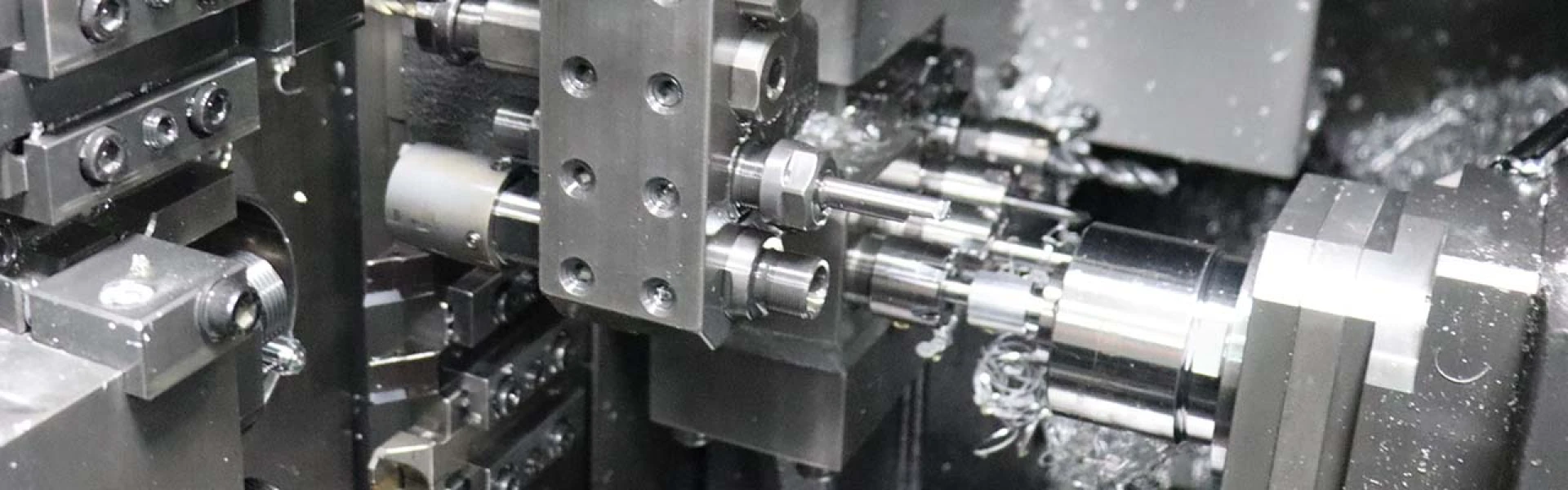
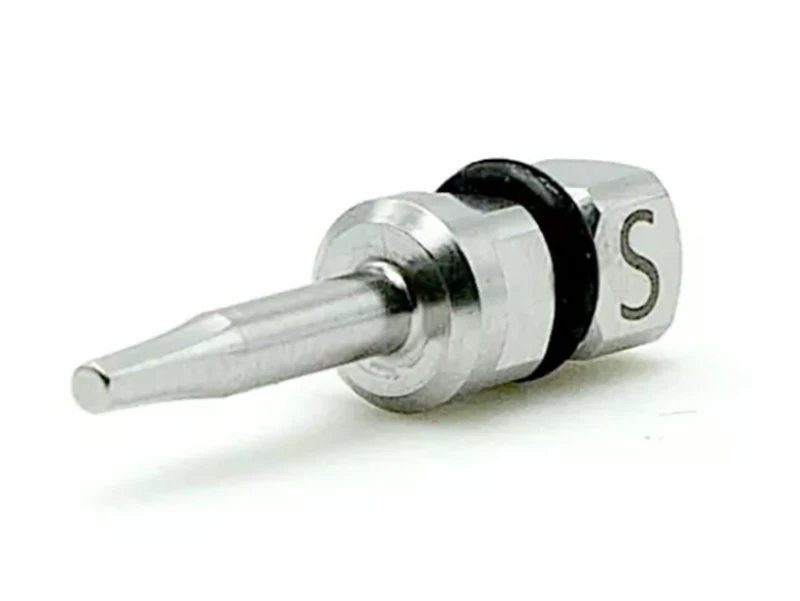
As a medical components manufacturer, we support customers with CNC machined components designed for medical equipment, surgical instruments, and precision healthcare applications.
Details
ODM / OEM Medical Components Machining Service
- Machining diameter: Ø0.8 mm ~ Ø51 mm
- Machining tolerance: ±0.003 mm for copper and aluminum materials; ±0.005 mm for other materials.
- Actual tolerances are determined based on customer requirements.
Why Tight Tolerance Matters for Medical Components
Medical devices rely on precise interaction between multiple mechanical parts. Even small dimensional variations may influence assembly accuracy, movement stability, and product reliability.
Precision tolerance helps improve:
- Accurate fitting between medical device components
- Stable movement of mechanical assemblies
- Reduced assembly adjustment during manufacturing
Practical examples
- For surgical instruments, accurate machining helps ensure that moving components fit correctly and maintain smooth operation during repeated use.
- For medical connectors and precision fittings, dimensional control helps prevent assembly issues and maintains secure connections between components.
Partner with HUANG LIANG PRECISION for Medical Component Machining
HUANG LIANG PRECISION provides precision CNC machining for medical components. As a medical components manufacturer, we support customers with oem medical components, material selection, and secondary processing.
Contact HUANG LIANG PRECISION to discuss your medical component requirements.
Material Selection
Material Selection for CNC Machined Medical Components
The material selected for a medical component depends on its application environment, including corrosion resistance, mechanical strength, sterilization requirements, and long-term stability.
Titanium (CP1~CP4, Ti-6Al-4V) for Lightweight and Biocompatible Components
Titanium alloys are widely used for medical components that require a combination of strength, lightweight design, and corrosion resistance.
Typical applications include: Surgical instrument components, Implant-related precision parts, Medical device structural components, Precision sleeves and connectors.
Why it is selected:
- Excellent corrosion resistance
- High strength-to-weight ratio
- Good biocompatibility
Stainless Steel (SUS316L, SUS420, SUS630) for Durable Medical Components
Stainless steel is commonly selected for medical components requiring strength, wear resistance, and stable performance during repeated operation or sterilization processes.
Typical applications include: Surgical tool components, Medical equipment fittings.
Why it is selected:
- Excellent corrosion resistance
- High mechanical strength
- Good wear resistance
Surface Treatments
Surface Treatments for Medical Components
Medical components require stable dimensions, clean surface conditions, and resistance against repeated sterilization or environmental exposure. Proper surface treatment helps improve durability, maintain surface quality, and support consistent performance in medical applications.
Passivation for Stainless Steel Medical Components
Passivation is widely used for stainless steel medical components requiring improved corrosion resistance and clean surface conditions.
Titanium Nitride (TiN) Coating
TiN coating provides a hard protective layer and is commonly used for components requiring surface durability and stable performance.
Product Inquiry
| Image | Product Name |
|---|---|
|
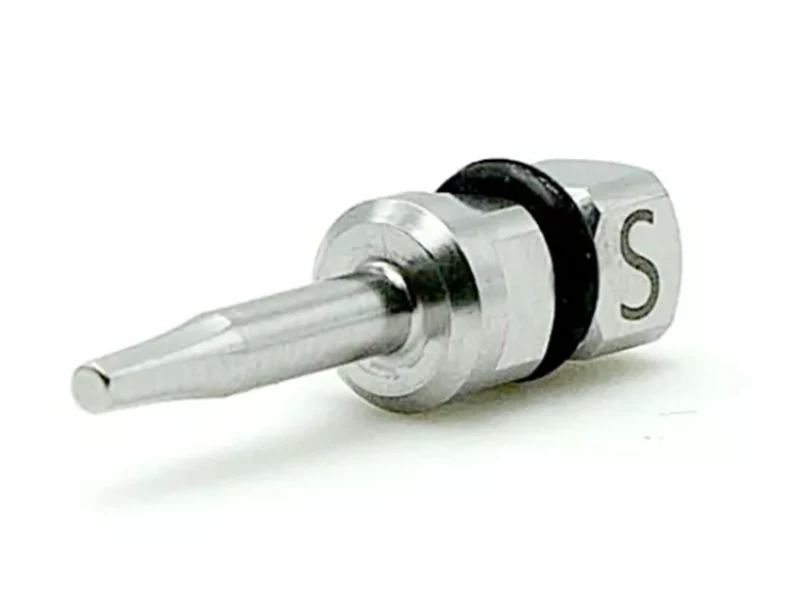
Custom Medical Component Machining |